VA Disability Ratings for Gastritis (Diagnostic Code 7307): How to Qualify for Compensation

CCK Law: Our Vital Role in Veterans Law
Gastritis is a gastrointestinal (GI) disorder involving the inflammation or even erosion of the stomach lining, potentially causing burning abdominal pain, nausea, and bloating. If a case is severe enough, gastritis can seriously impact a veteran’s ability to eat certain foods, exercise their body, or even maintain employment.
If a veteran’s gastritis is service connected, they may qualify for a gastritis VA rating and monthly compensation. This article will walk veterans and advocates through the legal claims process for pursuing a gastritis VA rating.
Highlights of this article include:
- How to gain a chronic gastritis VA rating
- The best ways to establish service connection for gastritis
- The levels of compensation veterans commonly receive from a VA disability rating for gastritis
- And more
What Does VA Consider Gastritis?
Gastritis refers to any inflammation of the stomach lining, a mucus-lined barrier that shields the stomach wall from the corrosive effects of stomach acid. If this barrier is damaged or weakened, acid can begin to eat away at the stomach wall, leading to inflammation, pain, bloating, vomiting, and other gastrointestinal issues.
There are two main types of gastritis: acute and chronic. Acute gastritis typically comes on rapidly, causing intense pain for a temporary amount of time. On the other hand, chronic gastritis is a long-term version of the disorder, progressing gradually and potentially leading to more serious conditions down the line.
Symptoms of gastritis include:
- Indigestion
- Burning abdominal pain
- Nausea
- Lightheadedness or dizziness
- Bloating
- Hiccupping and belching
- Vomiting
- Loss of appetite or feelings of premature fullness
- Stomach ulcers
- Vomiting blood (sometimes digested blood, which resembles wet coffee grounds)
- Blood in the stool
Why Are Veterans Prone to Gastritis?
There are a variety of factors that can lead to the development of gastritis, including genetics, dysfunctions in the immune system, and other GI conditions like bile reflux or celiac disease.
However, among veterans, some of the more common causes can include:
- Injury, infection, or exposure to radiation – Certain military occupations can lead to injury or even irradiation of the stomach, both of which can weaken the lining. In addition, the bacteria H. pylori (commonly found in contaminated food or water) is a leading worldwide cause of gastritis.
- Prolonged stress – Stress disorders like PTSD are more common among veterans than in the civilian population. Over time, chronic stress can significantly impact the digestive system, potentially leading to the development of gastritis.
- Overuse of medications like NSAIDs – Non-steroidal anti-inflammatory drugs (NSAIDs) like ibuprofen are often used as painkillers. Veterans who overuse these drugs to treat chronic pain from an injury or other condition, however, can easily damage their stomach lining and cause gastritis.
- Excessive use of alcohol or tobacco – Studies show that alcoholism and tobacco use rates are higher among military personnel than civilians. Either one of these drugs can weaken the stomach lining and induce gastritis, particularly if consumed in excess.

Service Connection: How Do You Prove Gastritis Is Related to Military Service?
To earn a gastritis VA rating, you must first prove to VA that your gastritis is caused by your military service. This is called service connection, and there are two primary kinds: direct service connection and secondary service connection.
Direct Service Connection for Gastritis
A direct service connection means your gastritis can be clearly attributed to your military service—either because it began during service or was made worse by it.
To prove this type of connection, VA typically requires three essential components:
- Provide evidence of a confirmed diagnosis – You’ll need a medical diagnosis of gastritis from a licensed healthcare professional.
- Document an in-service event or exposure – This could include an illness, injury, or exposure during your time in the military that may have triggered or aggravated your gastritis. Ideally, this will be supported by your service treatment records.
- Provide a medical nexus statement – A doctor must provide an opinion stating that your gastritis is “at least as likely as not” connected to the service-related incident.
Successfully meeting these requirements is key to having the VA recognize your gastritis as service connected, which may qualify you to receive monthly disability compensation.
Secondary Service Connection for Gastritis
A secondary service connection is established when a veteran can demonstrate that their gastritis arose due to another medical condition that the VA has already recognized as service connected. For example:
- Say a veteran develops post-traumatic stress disorder (PTSD) resulting from experience in a combat zone during their military service. VA recognizes the severity of their PTSD and assigns them a rating for it, as well as monthly compensation.
- Several years later, the veteran’s physician might determine that the chronic stress caused by their PTSD has strained the veteran’s digestive system, eventually resulting in gastritis.
- In a situation like this, the veteran could file a claim for gastritis as secondary to PTSD and potentially earn monthly compensation for it, since their service-recognized PTSD was the primary cause for their gastritis.
Conditions Linked to Gastritis
If you want to prove a secondary service connection for gastritis or suspect that your gastritis has led to additional health issues that may qualify for VA disability, it’s important to understand what other medical conditions are commonly linked to gastritis.
Should you be diagnosed with any of the conditions listed below and believe there could be a connection—whether gastritis caused them or was caused by them—it’s a good idea to consult with a medical professional to explore a potential link:
- Hashimoto’s disease
- Type 1 diabetes
- Crohn’s disease
- Celiac disease
- Gastric polyps
- Psoriasis
- Sarcoidosis
- Bile reflux
- Peptic ulcer disease
- Gastric outlet obstruction
- Intestinal metaplasia
- Stomach cancer (either from the cancer itself or from chemotherapy or radiation treatments)
- Parasitic infections
VA Presumptions for Gastritis
Certain conditions are considered presumptively service connected by VA, which means veterans aren’t required to establish a direct medical link between their illness and military service. Unfortunately, VA does not recognize any presumptive causes for gastritis. This means that a veteran looking to claim disability benefits for gastritis will have to follow the traditional process of establishing service connection.
What Ratings Does VA Assign for Gastritis?
Once service connection has been proven, VA will rate a veteran’s gastritis depending on the severity and frequency of their symptoms. Gastritis VA ratings can be 0, 20, 40, 60, and 100 percent.
As of changes made in May 2024, VA now rates chronic gastritis under its own diagnostic code, DC 7307 of 38 CFR § 4.114 – Ratings of the Digestive System. Gastritis shares its new rating criteria with peptic ulcer disease, which is rated under diagnostic code 7304.
The criteria VA uses to rate gastritis are as follows:
- 100 percent – Post-operative for perforation or hemorrhage, for three months
- 60 percent – Continuous abdominal pain with intermittent vomiting, recurrent hematemesis (vomiting blood) or melena (tarry stools); and manifestations of anemia which require hospitalization at least once in the past 12 months
- 40 percent – Episodes of abdominal pain, nausea, or vomiting, that: last for at least three consecutive days in duration; occur four or more times in the past 12 months; and are managed by daily prescribed medication
- 20 percent – Episodes of abdominal pain, nausea, or vomiting, that: last for at least three consecutive days in duration; occur three times or less in the past 12 months; and are managed by daily prescribed medication
- 0 percent – History of peptic ulcer disease documented by endoscopy or diagnostic imaging studies
Watch CCK Law attorneys discuss VA’s 2024 changes to digestive system VA ratings:

What if a Veteran has a Gastritis VA Rating from before the 2024 Changes?
Before May 2024, VA did not have a dedicated diagnostic code for gastritis in its disability rating system. Instead, veterans experiencing gastritis symptoms were rated under criteria for similar conditions, which often capped ratings at 60 percent.
- If you were assigned a VA rating for gastritis under this older approach and are now seeking a higher evaluation, it’s important to know that the VA will not automatically re-examine your case under the updated guidelines. You will need to submit a formal request for an increased rating to be considered for a potentially higher percentage.
- On the other hand, if your gastritis-related claim was still in progress as of May 19, 2024—when the revised criteria were introduced—VA will review your case using both the old and new standards and apply whichever set of rules is more favorable to your outcome.
VA Disability Compensation and Benefits for Gastritis
Depending on the VA disability rating for gastritis that you received, you may be eligible for financial compensation and benefits to help you manage your condition.
As of 2026, the VA disability rate benefit amounts are as follows:
- 0 percent disability rating: $0.00 per month
- 10 percent disability rating: $180.42 per month
- 20 percent disability rating: $356.66 per month
- 30 percent disability rating: $552.47 per month
- 40 percent disability rating: $795.84 per month
- 50 percent disability rating: $1,132.90 per month
- 60 percent disability rating: $1,435.02 per month
- 70 percent disability rating: $1,808.45 per month
- 80 percent disability rating: $2,102.15 per month
- 90 percent disability rating: $2,362.30 per month
- 100 percent disability rating: $3,938.58 per month
Total Disability Based on Individual Unemployability (TDIU)
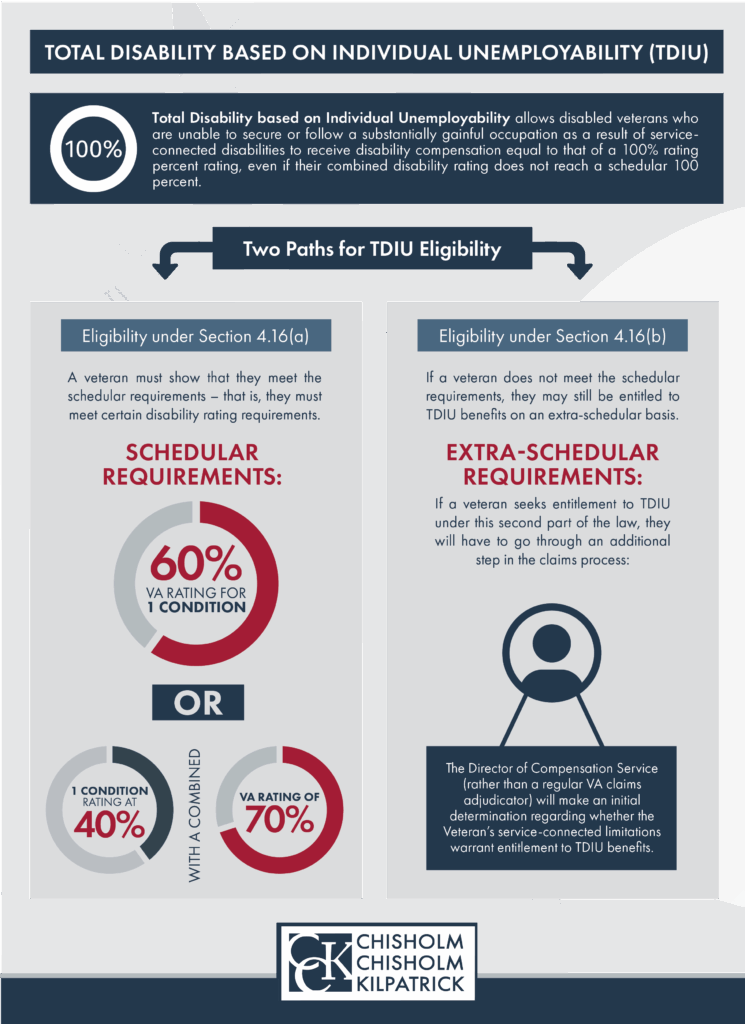
If your service-connected gastritis interferes with your ability to keep steady employment, you might be eligible for Total Disability based on Individual Unemployability (TDIU). This VA program provides qualifying veterans with compensation at the 100 percent disability rate, even if their actual gastritis VA rating is below 100 percent.
Filing an Appeal for Gastritis? Call CCK Law!
It can be frustrating to file an appeal for your gastritis claim, particularly if you’ve already waited for months or years for VA to judge your case. Thankfully, with the help of a VA-accredited attorney, you can learn to better navigate the claims process and get the gastritis VA rating you deserve.
Call CCK Law today at 401-566-9285 or contact us online for a free evaluation of your gastritis claim!