Veterans Roundtable: A Discussion of the New VA-DOJ Guardianship MOU


On July 30, 2026, CCK Law Partner Bradley Hennings hosted a roundtable discussion with members of the Texas Criminal Defense Lawyers Association (TCDLA). The purpose of this hour-long session was to discuss the new VA-DOJ Guardianship Memorandum of Understanding (MOU) and its possible impact on due process rights and the specific challenges faced by justice-involved veterans.
With 3,200 members, the Texas Criminal Defense Lawyers Association (TCDLA) is the largest state association for criminal defense attorneys in the nation. TCDLA provides a statewide forum for criminal defense lawyers and describes itself as “one of the few voices in the legislature interested in basic fairness in the defense of criminal cases.”
CCK Law’s Hennings, based in CCK’s Houston and San Antonio offices, is a highly respected leader in the veterans law community. A former Veterans Law Judge at the Department of Veterans Affairs, he is the 2026-2027 Chair of the State Bar of Texas Military and Veterans Law Section, a Veterans Assistance Committee Member at the Texas Criminal Defense Lawyers Association, and a member of the Texas Bar College. He frequently speaks at events and hosts webinars for local disabled veterans or their advocates.
Who We Are: Chisholm Chisholm & Kilpatrick (CCK Law) has argued many of the cases that have defined and clarified veterans disability law. CCK Law attorneys serve in leadership positions throughout the legal community and have posted more than 2,500 blogs and 1,100 videos about veterans benefits. Email the CCK Public Relations team for media or similar requests.
What Is the VA-DOJ Guardianship MOU?
Under the new MOU, which was signed and announced in March 2026, the Department of Justice (DOJ) can designate VA attorneys as special assistant United States attorneys. This designation allows these attorneys to initiate guardianship or conservatorship proceedings in cases where a court finds the veteran unable to manage their own financial or medical decisions.
It is worth noting that a state judge — not VA — makes the final determination of whether a guardianship is warranted and selects an independent third-party guardian.
While this MOU may be beneficial to some veterans, it has also raised legal concerns and questions over how much influence it allows VA to exert over the lives of veterans.
“This MOU extends beyond hospitalized veterans. It also covers veterans who are homeless or, in the MOU’s own words, ‘at risk of homelessness’,” said Hennings in a previous discussion on the topic. “That phrase has no legal threshold in this agreement. It is elastic in a way that should concern anyone who works in this space.”
Why This Topic Matters for Veterans and Defense Attorneys
Guardianship proceedings can often intersect with the broader challenges facing justice-involved veterans, including mental health conditions, traumatic brain injuries, and difficulty securing legal representation.
This TCDLA roundtable gives defense attorneys a chance to consider how the MOU could affect veteran clients, many of whom may face questions of guardianship alongside their criminal justice proceedings.
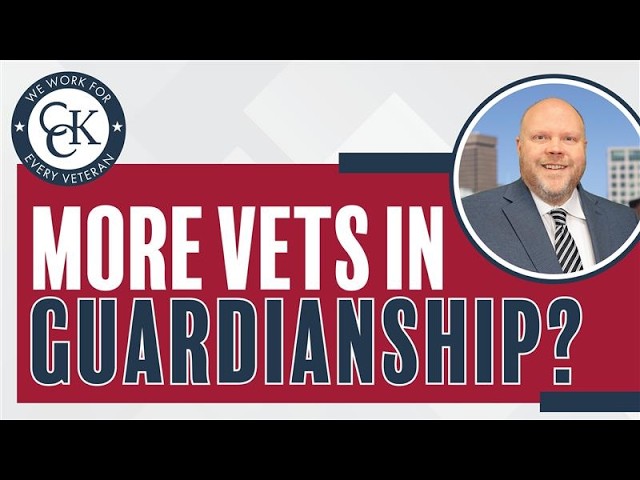
In the video below, CCK Law Partner Bradley Hennings gives a breakdown of the new MOU and the controversies surrounding it:
Additional Resources From CCK Law
Looking for more information? CCK Law hosts over 2,500 pages and 1,100 videos of free veterans law content. Search our blog or browse our YouTube channel for guides, explainers, and updates on VA benefits topics.